How BNSF’s ODIN technology is revolutionizing track safety
By SUSAN GREEN
Staff Writer
Safety goes into everything we do at BNSF, including something tucked in the undersides of a locomotive. It’s called ODIN, short for Onboard Defect Identification & Notification, a system housed in an aluminum box that analyzes track conditions as the locomotive is used to pull freight. The ultimate goal of ODIN is to reduce derailments originating from track geometry defects through increased inspections.
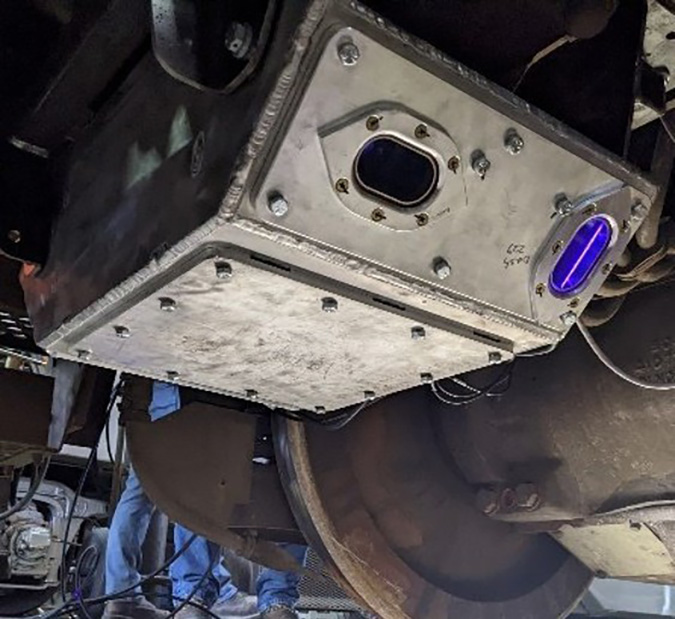
ODIN has a combination of sensors that analyzes and surveys the track as the locomotive passes over the rail. Angled lasers from each side of the box measure the gauge (distances between the two rails), cross-level, alignment and track surface (the profile of the track). Measurements are taken every foot.
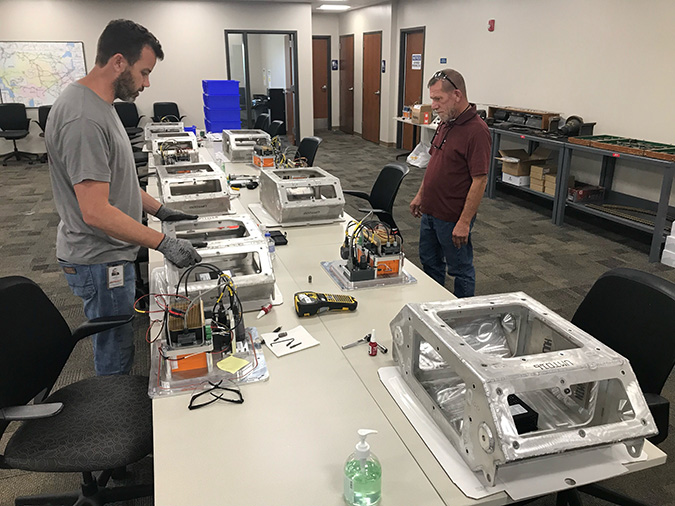
BNSF’s Technical Research & Development (TR&D) team in Topeka, Kansas, with the help of the Central Repair Facility in Kansas City, Kansas, produces the ODIN units, which are about the size of a large microwave oven. Once the units are assembled, they are installed below the selected locomotive’s draft gear.
The information ODIN collects is processed in real-time and if a defect is found, action is quickly taken to protect or correct the issue. In addition to looking for defects, ODIN evaluates overall track condition, which helps us better plan our track maintenance.
We introduced the system in 2023 as it was going through a pilot phase. In the two years of testing, ODIN has proven to collect more precise data than our track geometry cars. Once we moved past the production and testing phases, the first in-service ODIN registered a defect in September of this year.
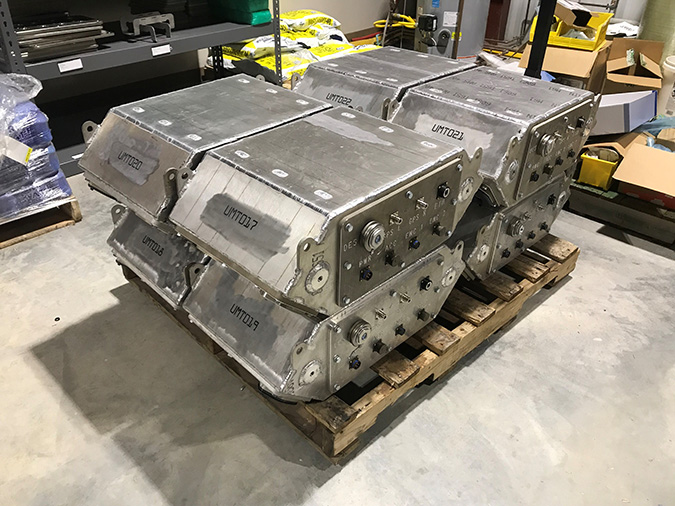
Since the original ODIN, we’ve upgraded the software. We now have 30 ODIN units in service, monitoring the majority of our 32,500-mile network. We plan to have four more installed by end of year and another 24 coming online in the first quarter of 2026 for 100-percent coverage of our network.
“The changes we’ve made have been to improve software accuracy as well as add smarter defect-detection algorithms,” said Justin Devine, director of Track Measurement. “Now that we’ve proven ODIN’s accuracy and ramped up production, we anticipate increasing our annual track inspections tenfold, from 400,000 miles a year up to an estimated 5 million miles.”

Eventually, the ODIN-equipped locomotives will replace our four unattended geo cars, freeing up the track time and train crews needed to operate them as well as saving fuel.
In addition to mainline track, ODIN units are also covering industry tracks, yard tracks and sidings.
Our culture of innovation with projects like ODIN means the future of safe operations at BNSF is brighter than ever. With every mile monitored and every defect swiftly addressed, we’re building a safer network for our employees, customers and the communities we serve.